footprint
OUR CARBON FOOTPRINT
Transparent and accurate reporting
Angola LNG applies defined governance processes, internal review, and independent verification to support transparent and accurate emissions reporting. Emissions accounting is based on internationally recognised methodologies and supported by direct measurement where practicable. ALNG is a member of the Oil and Gas Methane Partnership (OGMP) 2.0 Initiative and commits to transparency in methane emissions reporting and progress in reducing emissions.
OUR CARBON FOOTPRINT
Direct emissions
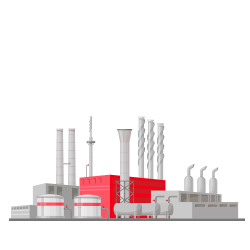
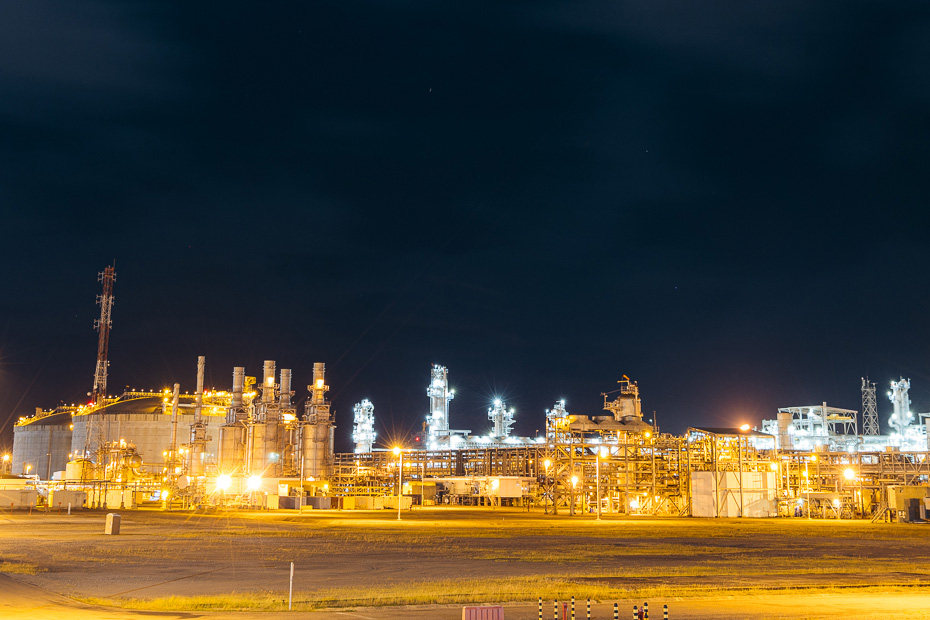
Direct emissions from sources owned or controlled by Angola LNG represent the most material category within Angola LNG’s operational emissions footprint and are actively monitored and managed. Angola LNG continues to strengthen direct emissions performance through targeted, operationally focused actions that address emissions drivers across reliability, methane management, and flaring reduction. These actions reflect the practical application of emissions management within day-to-day operations and long-term asset stewardship.
OUR CARBON FOOTPRINT
Indirect emissions
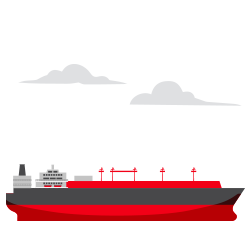
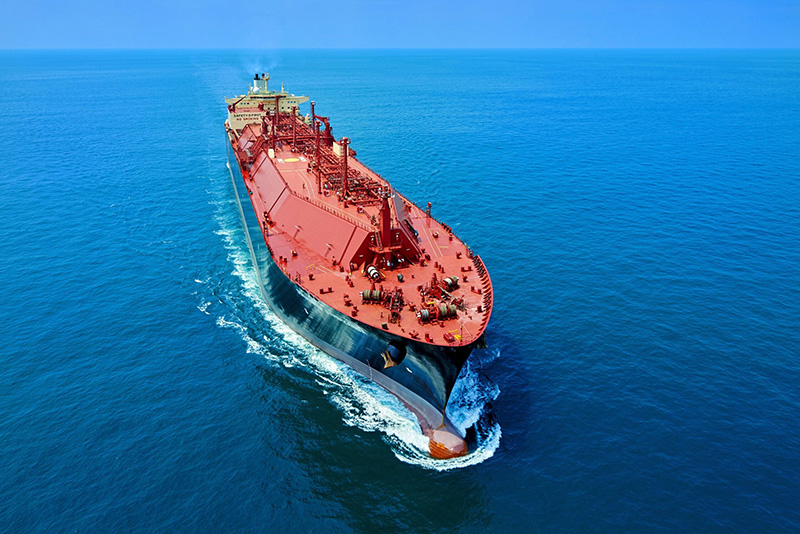
Angola LNG’s indirect emissions primarily arise from activities across its value chain that sit outside Angola LNG’s direct operational control. These include emissions associated with upstream gas supply, the marine transportation of Angola LNG’s products, and the end-use of those products in domestic and international markets. While indirect emissions are influenced by third parties, Angola LNG recognises where it has leverage and works collaboratively with key stakeholders to sustain and improve indirect emissions performance across its value chain. ALNG seeks to reduce emission within and outside its product lifecycle.
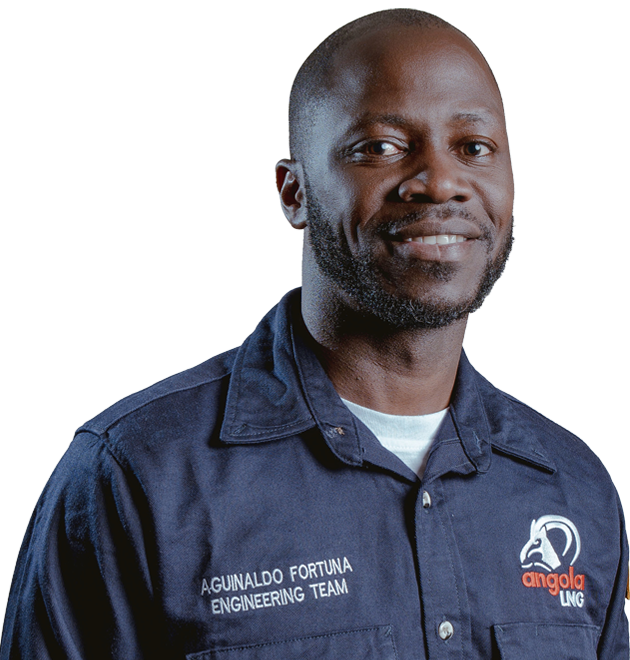

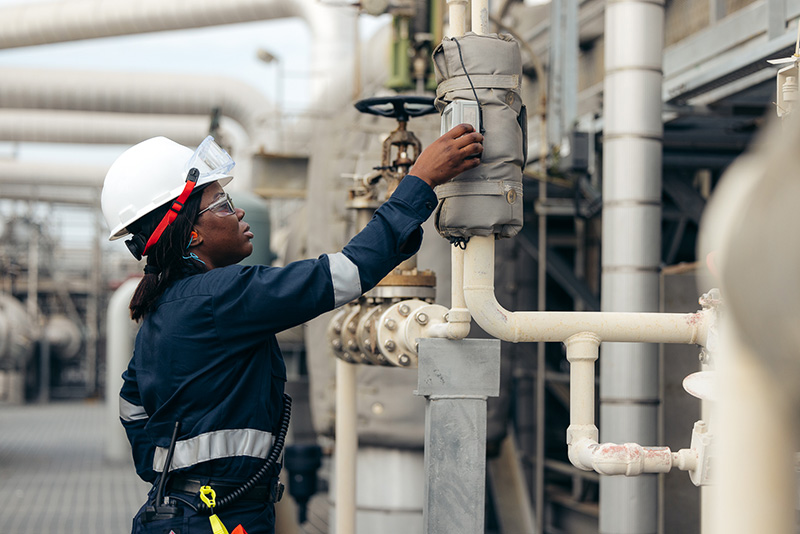
I contributed to the design and implementation of a 2025 project to optimise the molecular sieve regeneration process in ALNG’s dehydration system. The improved design reduces fuel use and greenhouse gas emissions, extends adsorption times, and decreases the frequency of regeneration cycles. I’m proud to have supported a project that lowers emissions while reducing offshore gas waste.
AGUINALDO FORTUNA
PROCESS ENGINEER, ANGOLA LNG

I contributed to the design and implementation of a 2025 project to optimise the molecular sieve regeneration process in ALNG’s dehydration system. The improved design reduces fuel use and greenhouse gas emissions, extends adsorption times, and decreases the frequency of regeneration cycles. I’m proud to have supported a project that lowers emissions while reducing offshore gas waste.
AGUINALDO FORTUNA
PROCESS ENGINEER,
ANGOLA LNG