
and climate
ENERGY TRANSITION AND CLIMATE
Climate context
Climate change presents a global challenge that requires sustained reductions in greenhouse gas emissions while ensuring access to secure, affordable, and reliable energy. According to Angolan national policy, climate action must be pursued alongside economic development, energy access, and the responsible management of natural resources.


This is a moment for us to celebrate but also reflect, looking at how we can use our resources more effectively and striking the balance between economic growth, social justice and environmental protection.
PRESIDENT JOÃO LOURENÇO, OPENING STATEMENT FOR THE 2025 ANGOLA OIL AND GAS CONFERENCE (2025)

A climate transition based on its mitigation and adaptation components would be insufficient if it could not promote a sustainable development of the country and ensure a just transition for each social group in Angola.
NATIONALLY DETERMINED CONTRIBUTION OF ANGOLA REPUBLIC OF ANGOLA
Develop gas as a development bridge while integrating renewable and contributing to global climate goals.
ANGOLA’S NATIONAL GAS MASTER PLAN (2025)
Angola adapted to the impacts of climate change and with a low carbon development that also contributes to poverty eradication.
NATIONAL CLIMATE CHANGE STRATEGY 2022–2035 (2020)
ENERGY TRANSITION AND CLIMATE
Angola LNG’s role in the energy transition
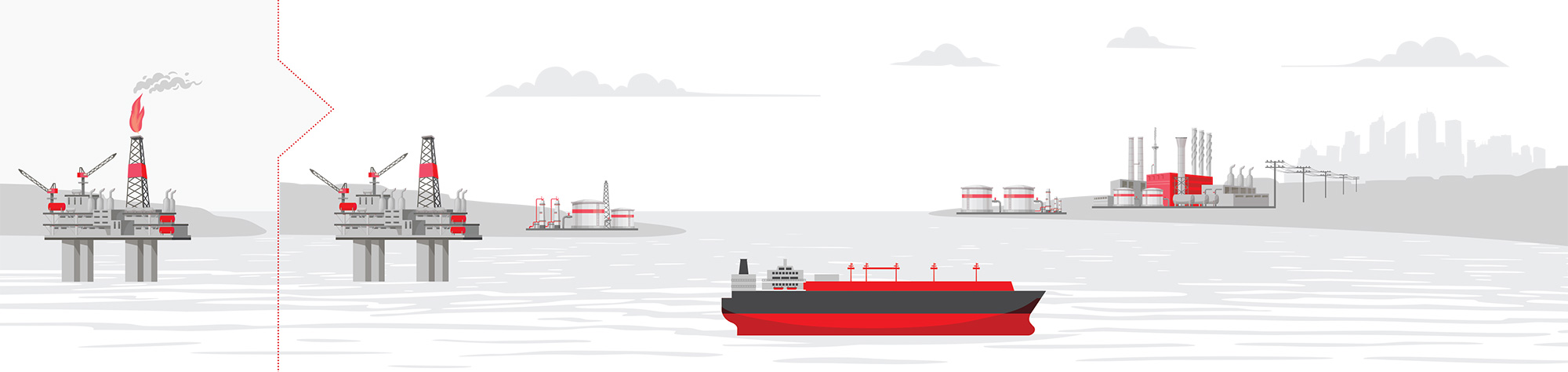
Angola LNG’s role in the energy transition is defined first and foremost by its founding purpose: to capture and utilise gas associated with offshore oil production that was previously flared and wasted. By converting this gas into useful energy products, Angola LNG has enabled a sustained reduction in offshore flaring emissions while generating significant social and economic value for Angola.
Before Angola LNG
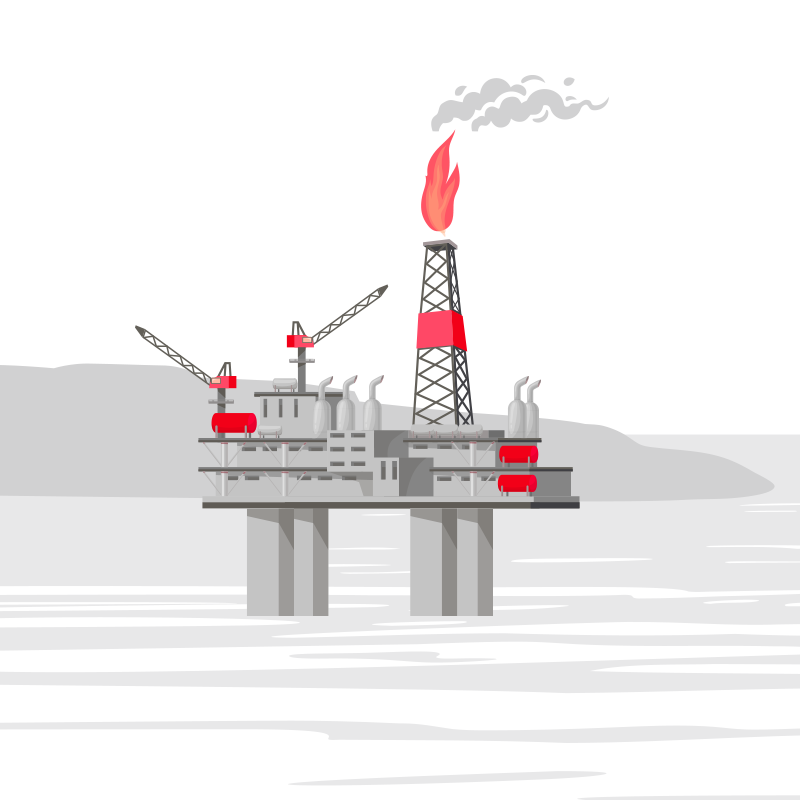
Routine flaring
Gas under utilised. Routine flaring of gas associated with offshore oil production.
With Angola LNG
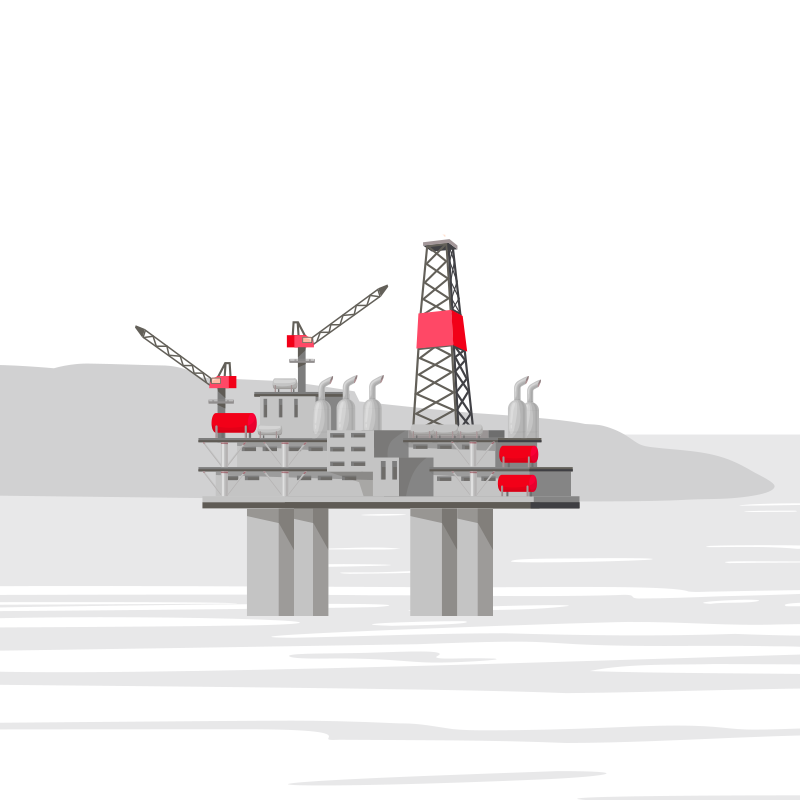
Gas production
Natural gas associated with oil production produced offshore and sent to plant via pipeline.
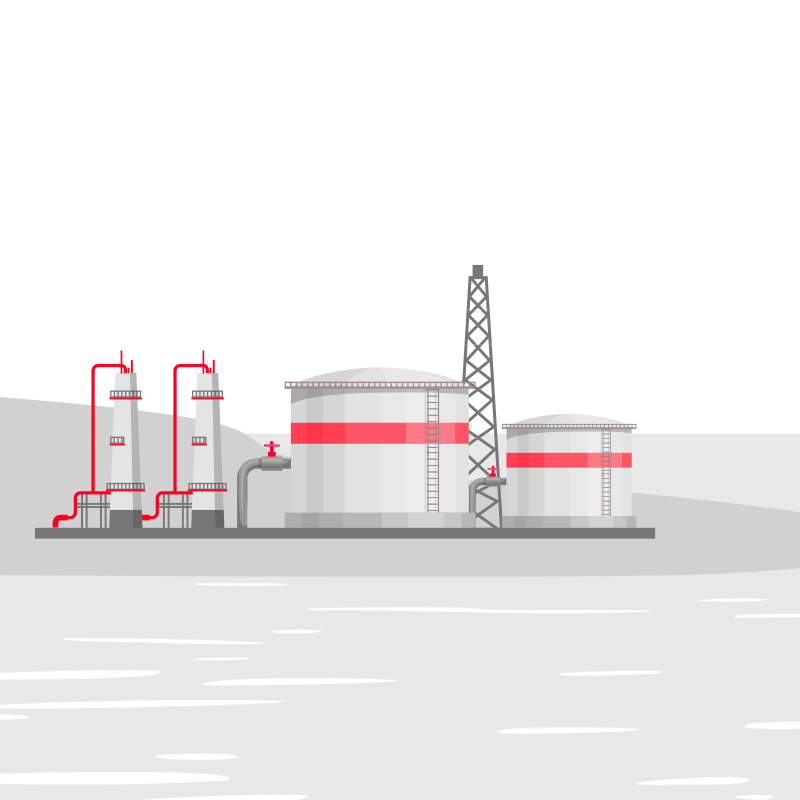
Processing and liquefaction
Gas is processed into LNG and other gas products for domestic and global transport.
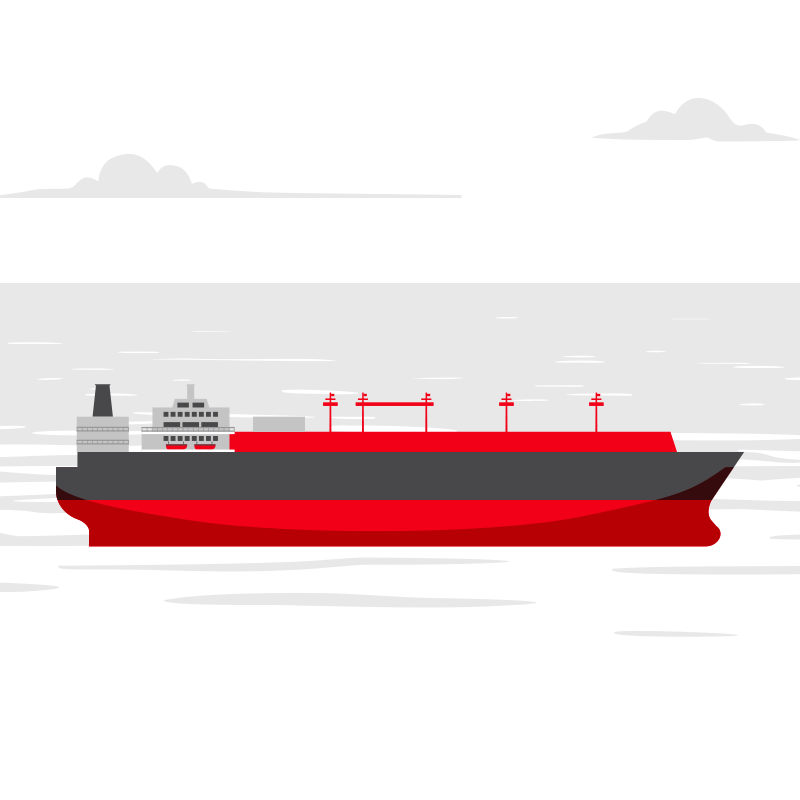
Transportation
LNG is transported across global
markets, while other products are delivered for domestic and international end use.
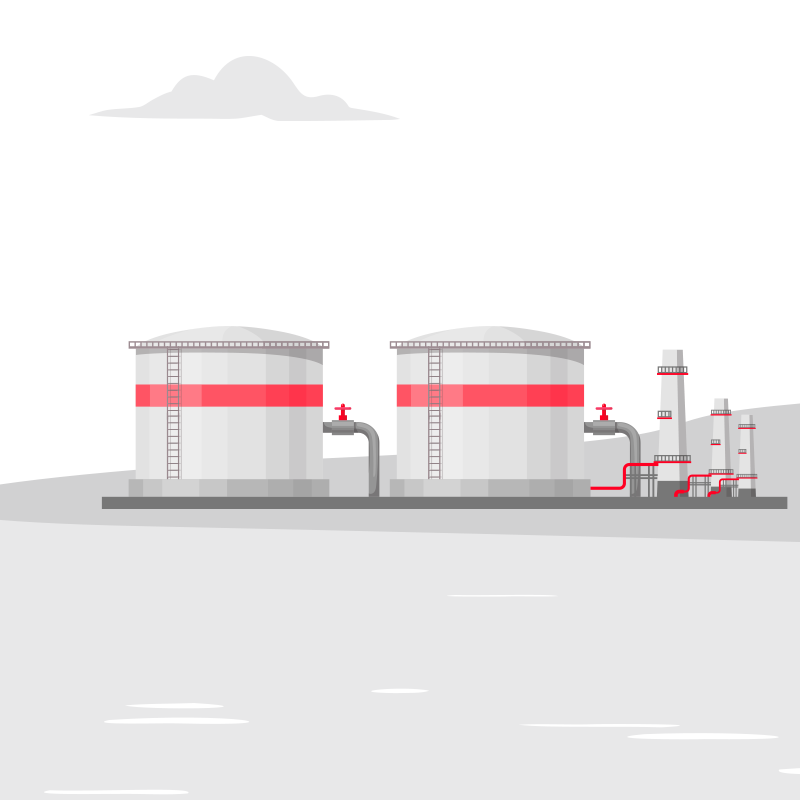
Regasification
LNG is warmed and converted back into natural gas.
Power generation
Natural gas is used in power generation, typically with lower carbon intensity than other fossil fuels.

End use
Reliable energy supporting households, businesses and economic growth.

Before Angola LNG started up, I worked offshore and routinely saw associated gas flared. For the past six years, I’ve helped design and support facilities that capture and convert that gas into valuable LNG—a major technical achievement for Angola and a source of pride for its lasting national impact.
HAMILTON JOSE
ALNG PROCESS DESIGN AND PROJECT ENGINEER
Before Angola LNG started up, I worked offshore and routinely saw associated gas flared. For the past six years, I’ve helped design and support facilities that capture and convert that gas into valuable LNG—a major technical achievement for Angola and a source of pride for its lasting national impact.
HAMILTON JOSE
ALNG PROCESS DESIGN
AND PROJECT ENGINEER